
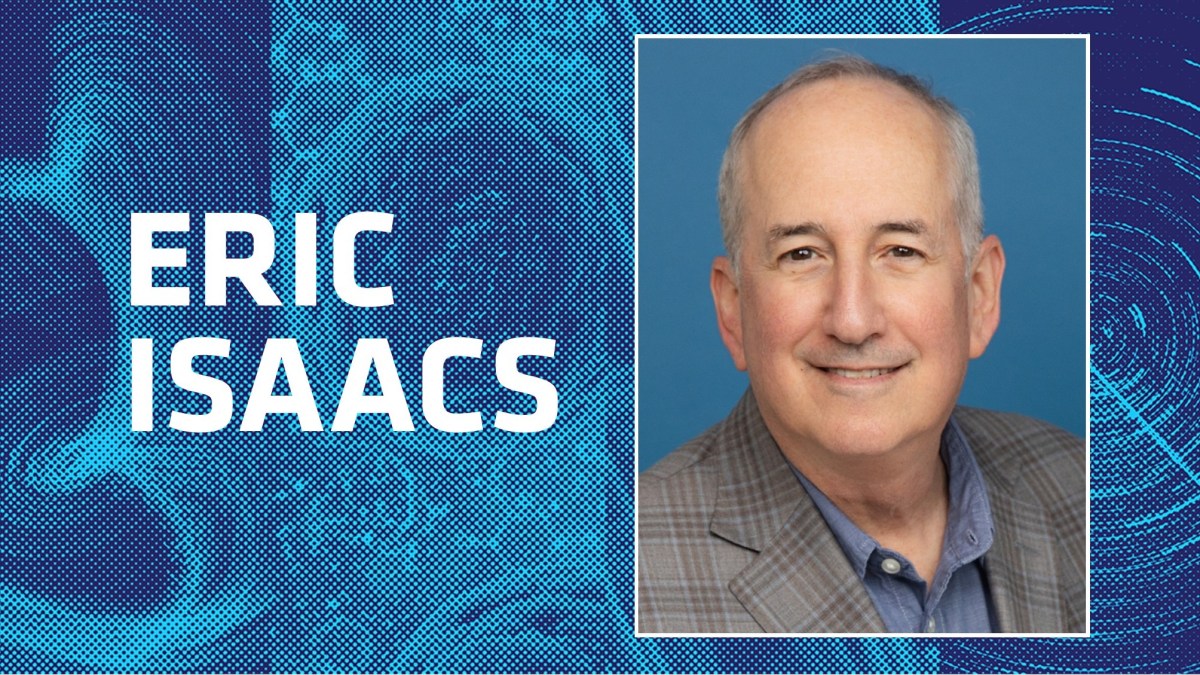
This has been a year of remarkable activity for RCSA, and disruptive challenges for the scientific enterprise. Looking ahead, 2026 promises to be a year of great discoveries as well as challenges for our community.
The 2025 Scialog meetings brought together outstanding early-career scientists to pursue bold, collaborative ideas. From Neurobiology and Changing Ecosystems and Automating Chemical Laboratories in the spring to Sustainable Minerals, Metals, and Materials, Early Science with the LSST, and Quantum Matter and Information in the fall, we have had the privilege to energize and support innovative approaches to some of today’s most compelling scientific questions. My thanks to Andrew Feig, Eileen Spain, and Richard Weiner for their leadership and expertise.
The Cottrell Scholars Conference in July showcased the exceptional leadership and innovation of our teacher-scholar community. Their deep commitment to advancing both science and pedagogy — and the strength of the Cottrell Scholar program itself — was reflected in participation from 27 of the 31 classes since the program’s founding in 1994. We look forward to welcoming the 2026 class of Cottrell Scholars next summer. Many thanks to Silvia Ronco for her dedication to this vital community and to their work in research and education.
In September, we launched the RCSA Bridge Awards to support faculty with exceptional research programs experiencing disruptions due to sudden federal policy changes. This marks our first response to the challenges ahead. As we look toward 2026, we will carefully consider how RCSA can continue to advance American science for many years to come.
We remain steadfast in our commitment to strengthening the pipeline for American science. The second annual RCSA Fellows Conference highlighted the strength and promise of this growing community. Now in its second year, this initiative is making a meaningful impact by helping awardees navigate the transition from postdoc to junior faculty and other research roles. I am grateful to Eileen Spain for developing and advancing this important effort.
I also express my deep appreciation to the entire RCSA staff. Over the past several months, I have had the privilege of working closely with an extraordinary team whose dedication, professionalism, and creativity drive everything we do. From program development and meeting facilitation to communications, operations, and grantmaking, their commitment to supporting teacher-scholars and strengthening the research enterprise is exceptional. I am grateful for their partnership and proud of the work they do every day on behalf of this community.
Looking Ahead
Science and science philanthropy are changing quickly — from new applications of AI in research and teaching to evolving federal policies. In consultation with RCSA’s Program Directors, our Board of Directors, and many of you, we are assessing our position in the scientific ecosystem and charting an optimal path for continued impact for years to come. We have begun a strategic planning process, starting with gathering broad community input with a survey that many of you have received. Your participation is invaluable. We look forward to keeping you informed and engaged as we progress.
At the same time, we remain focused on our core mission: advancing early-career scientists with bold ideas. In the year ahead, we will host five Scialog meetings, convene our annual Cottrell Scholars Conference (and encourage all CS alumni to join), and welcome a third cohort of RCSA Fellows.
RCSA’s success has always rested on the creativity, insight, and commitment of this community. In a challenging time for scientific research in the United States, your work — and our shared mission — matters more than ever.