Teaching and Research in the Age of AI: 2026 Cottrell Scholars Conference Recap
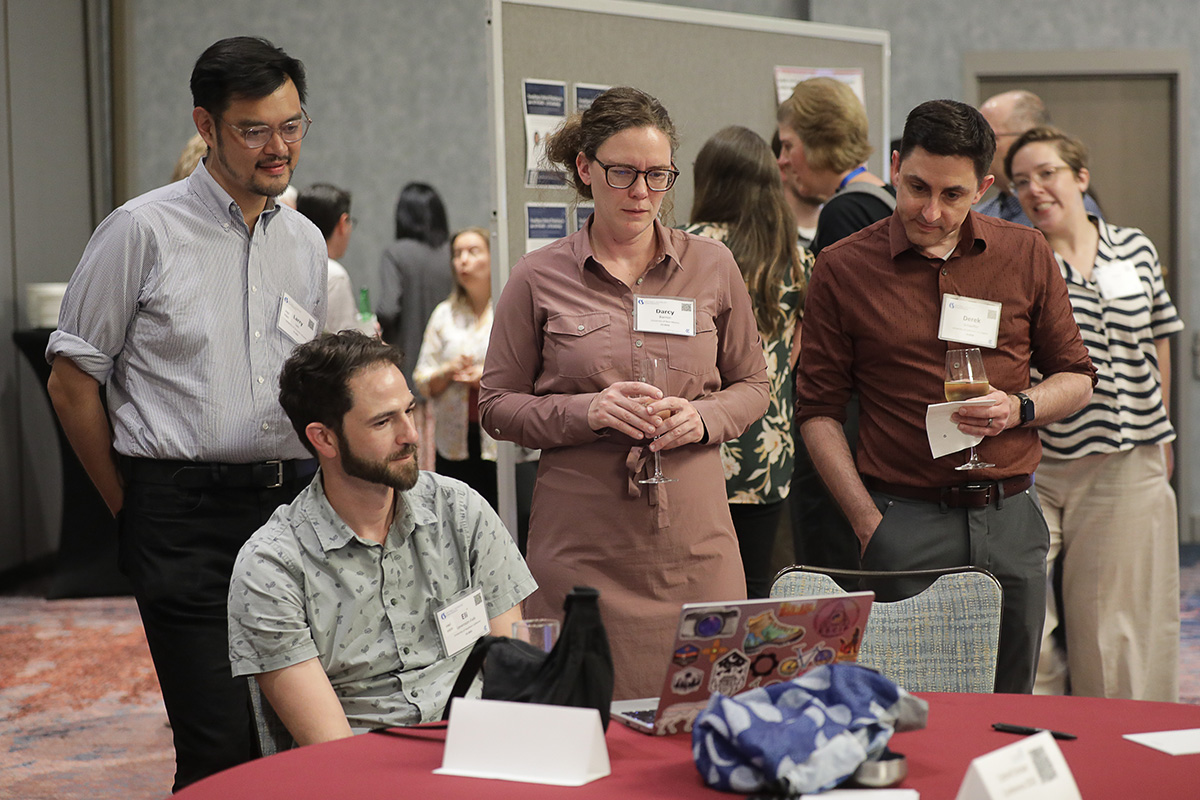
Research Corporation for Science Advancement welcomed Cottrell Scholars to Tucson, Arizona, from July 8 to 10 for the 32nd annual Cottrell Scholars Conference. This year’s theme, “Teaching and Research in the Age of AI,” set the tone for three days of presentations, honest conversation, and community building around one of the most consequential shifts facing science and higher education today.
RCSA President and CEO Eric Isaacs opened the conference by noting how timely the theme felt. Since 1994, RCSA has supported more than 600 Cottrell Scholars whose work has advanced the physical sciences and shaped how the next generation learns to do science. Isaacs framed AI as a tool with the potential to transform discovery the way the telescope, microscope, and computer once did, and he challenged attendees to bring the same creativity and integrity to this new era.
Welcoming the 2026 Cottrell Scholars
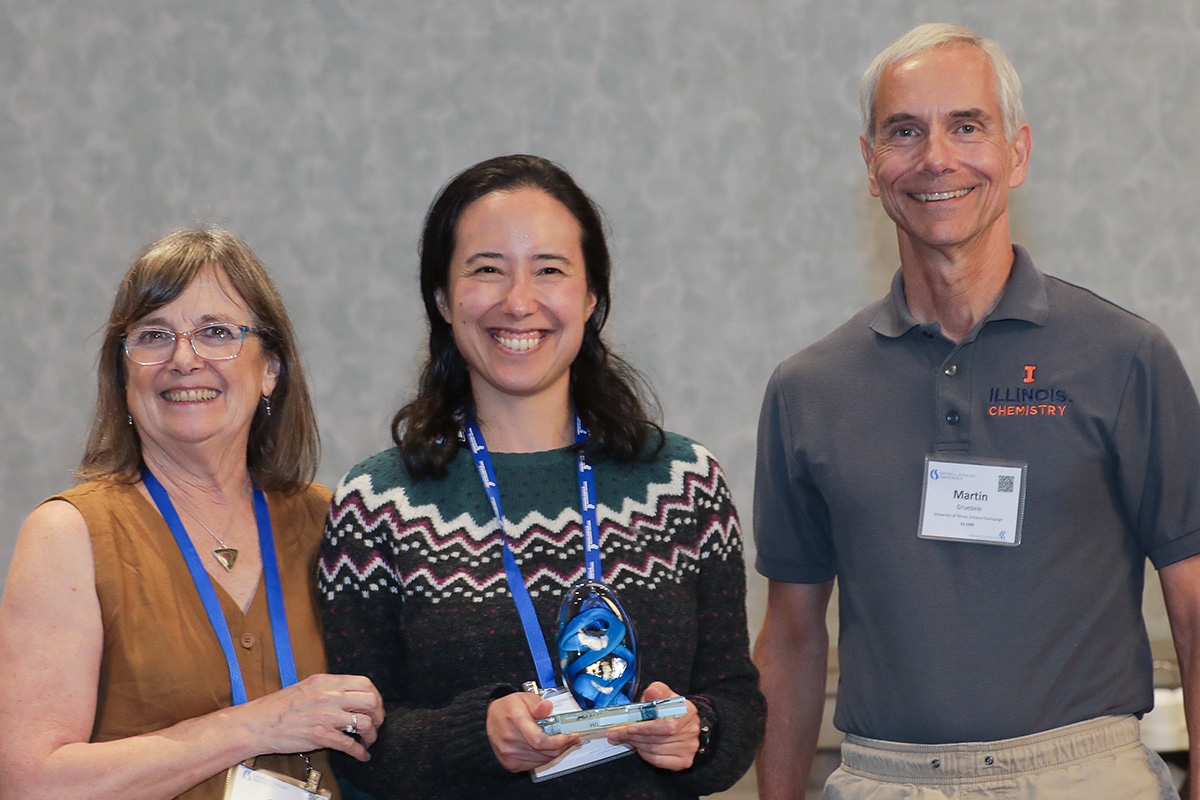
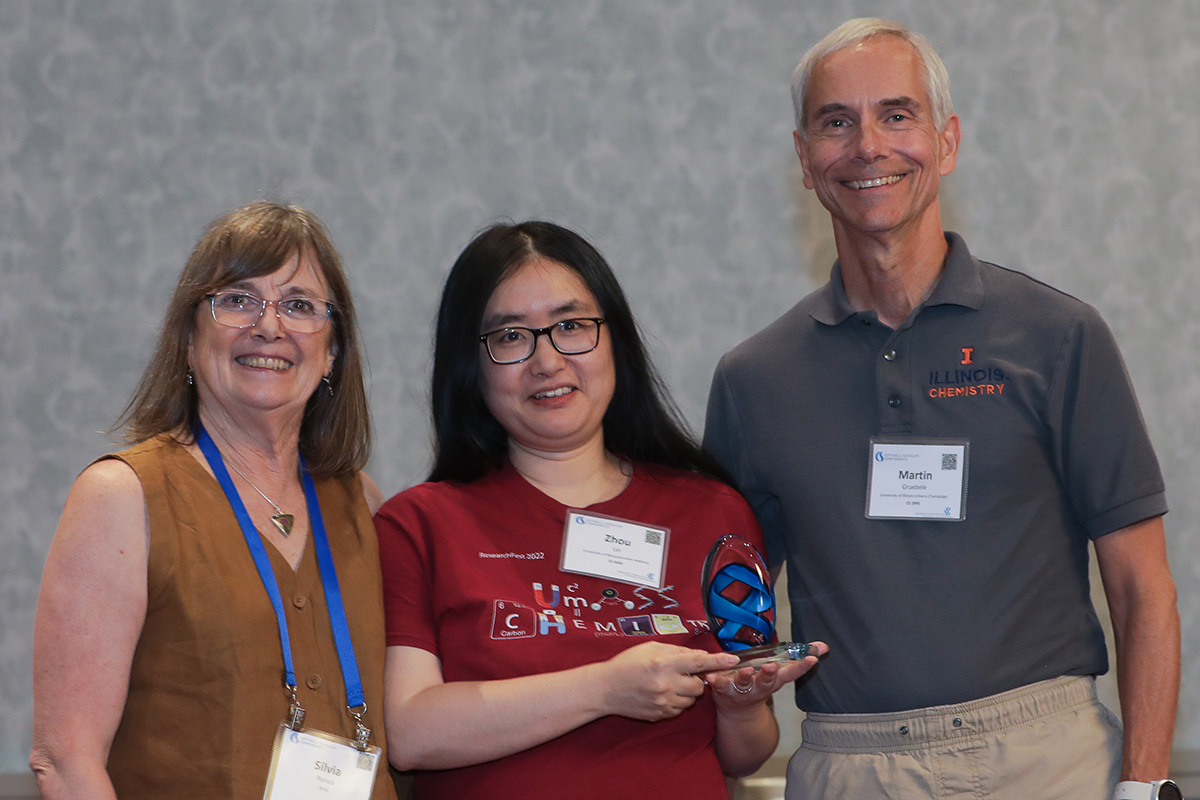
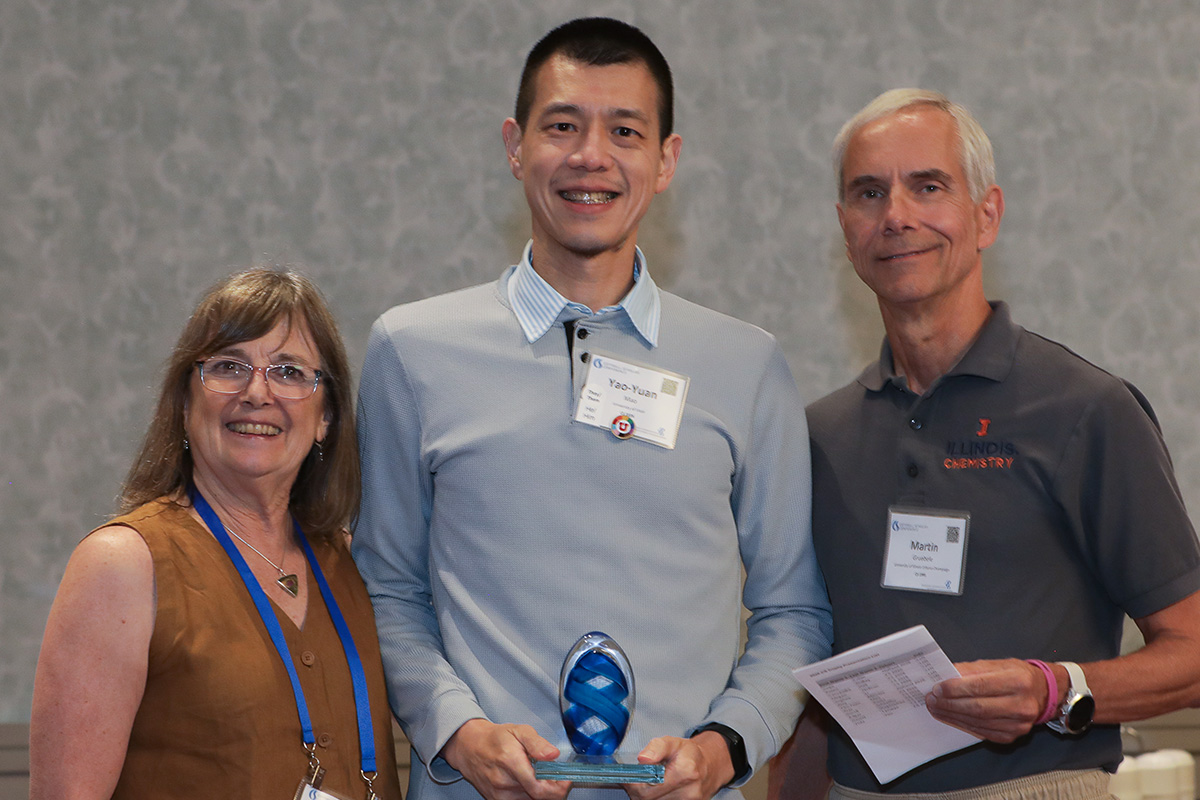
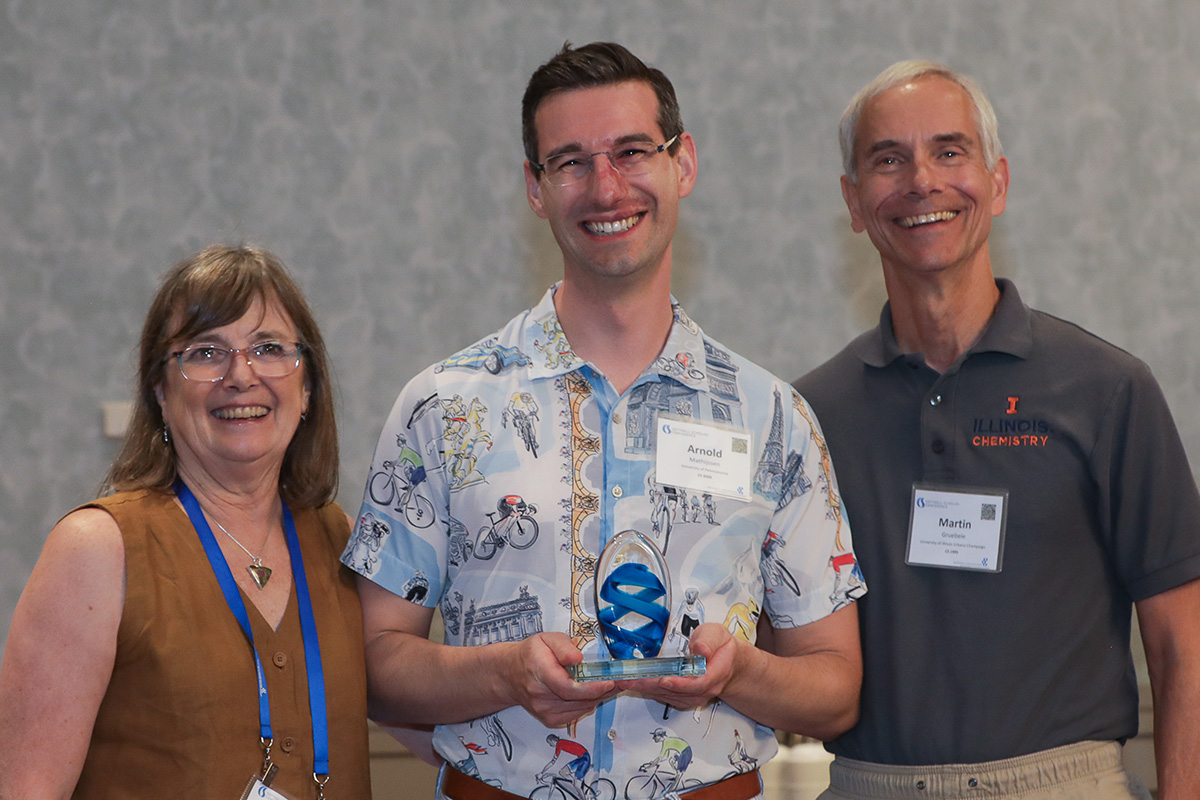
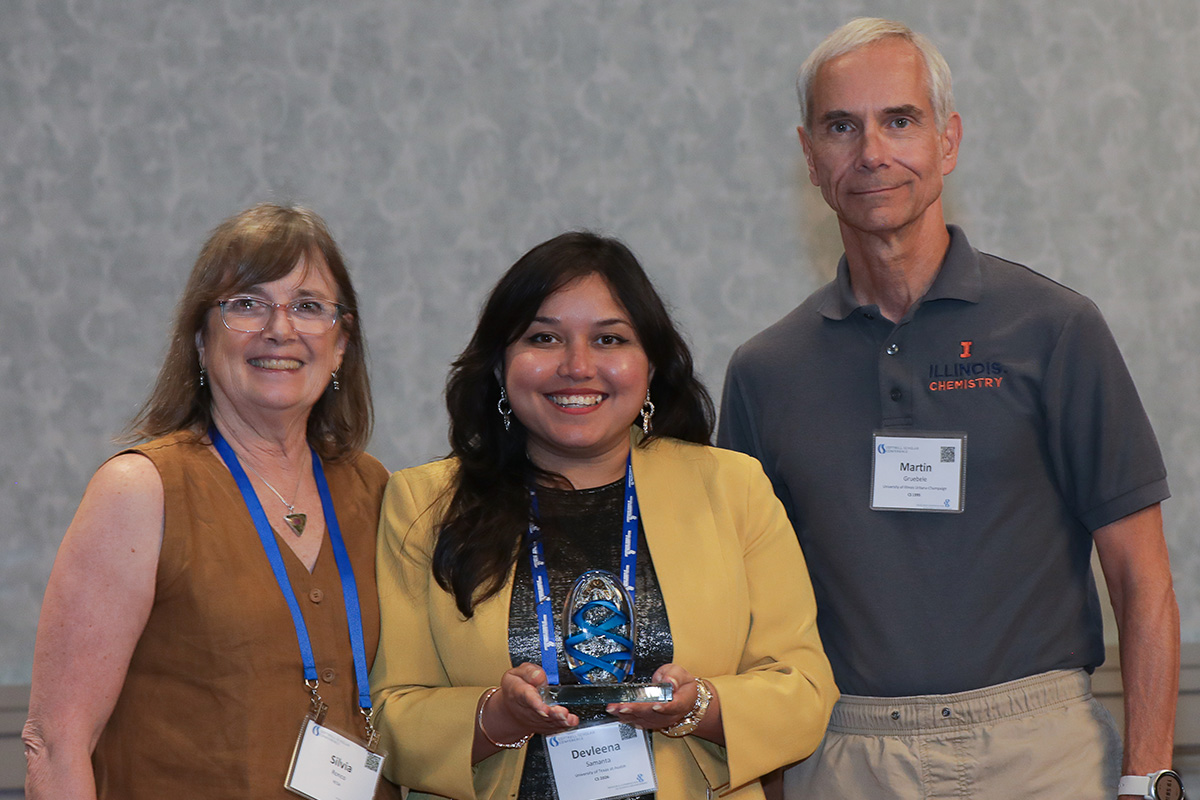
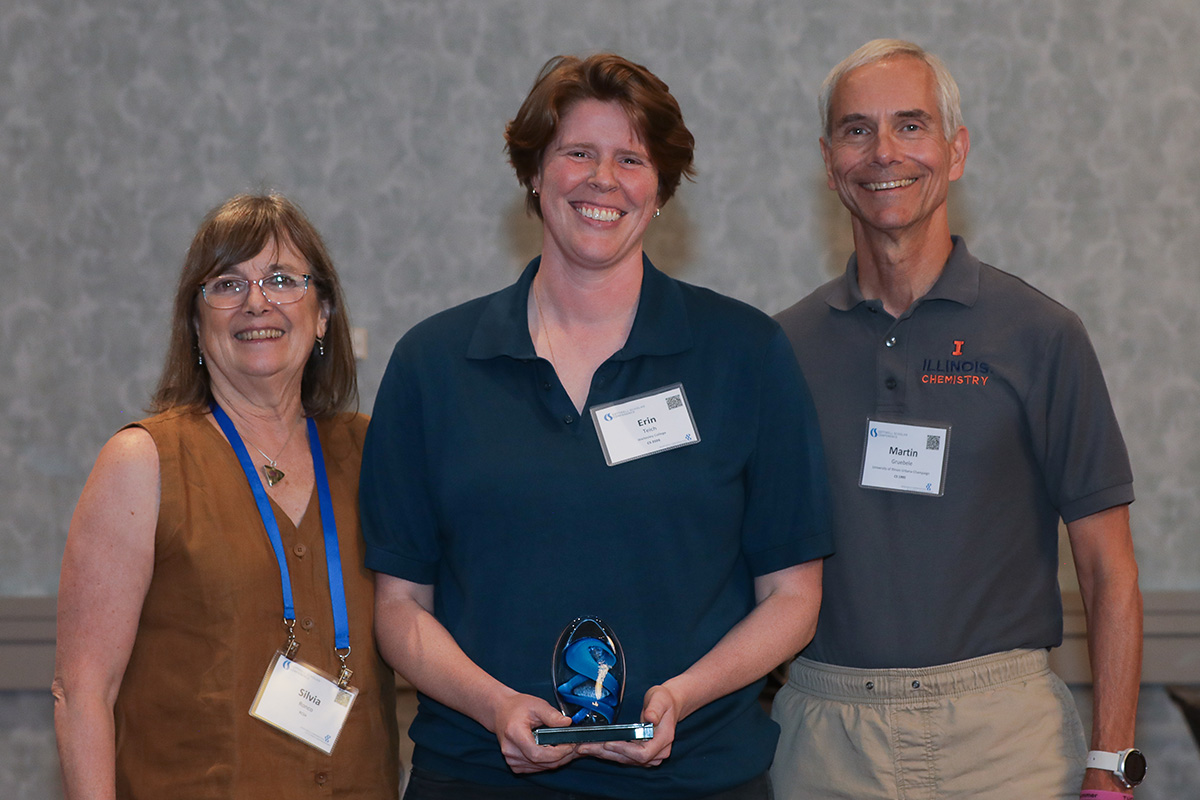
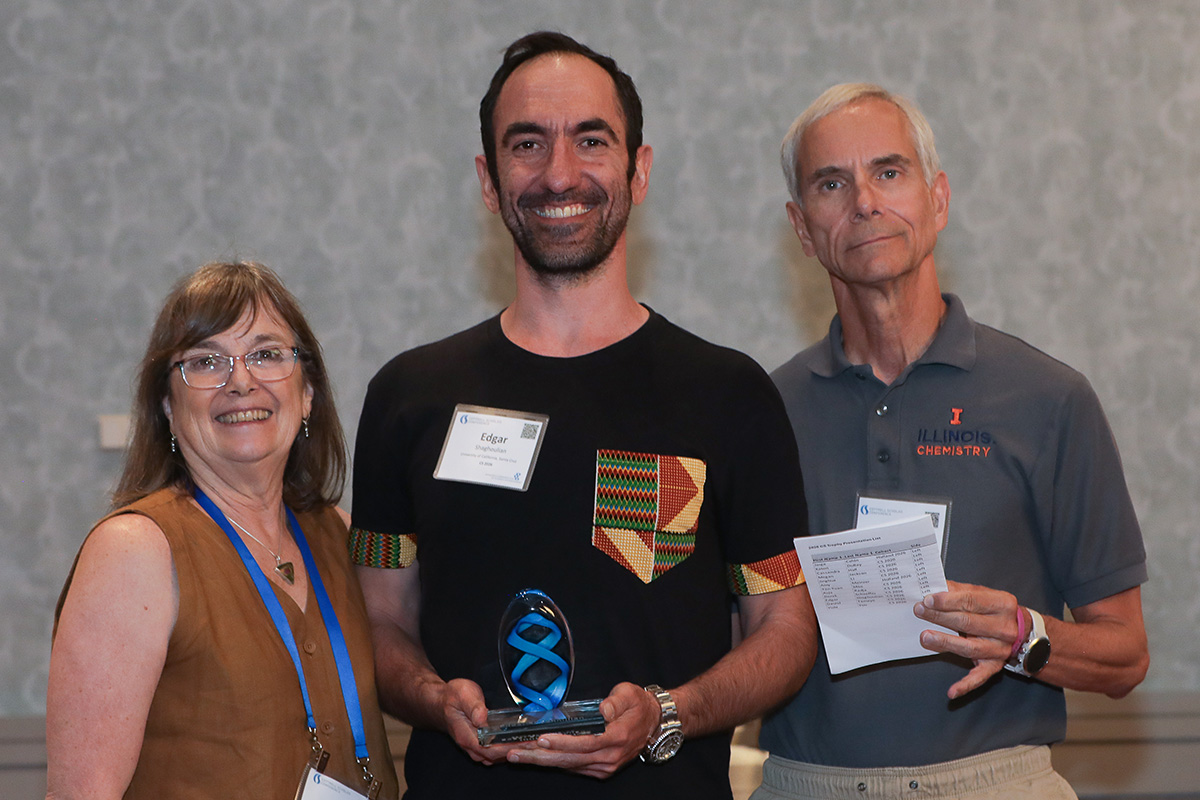
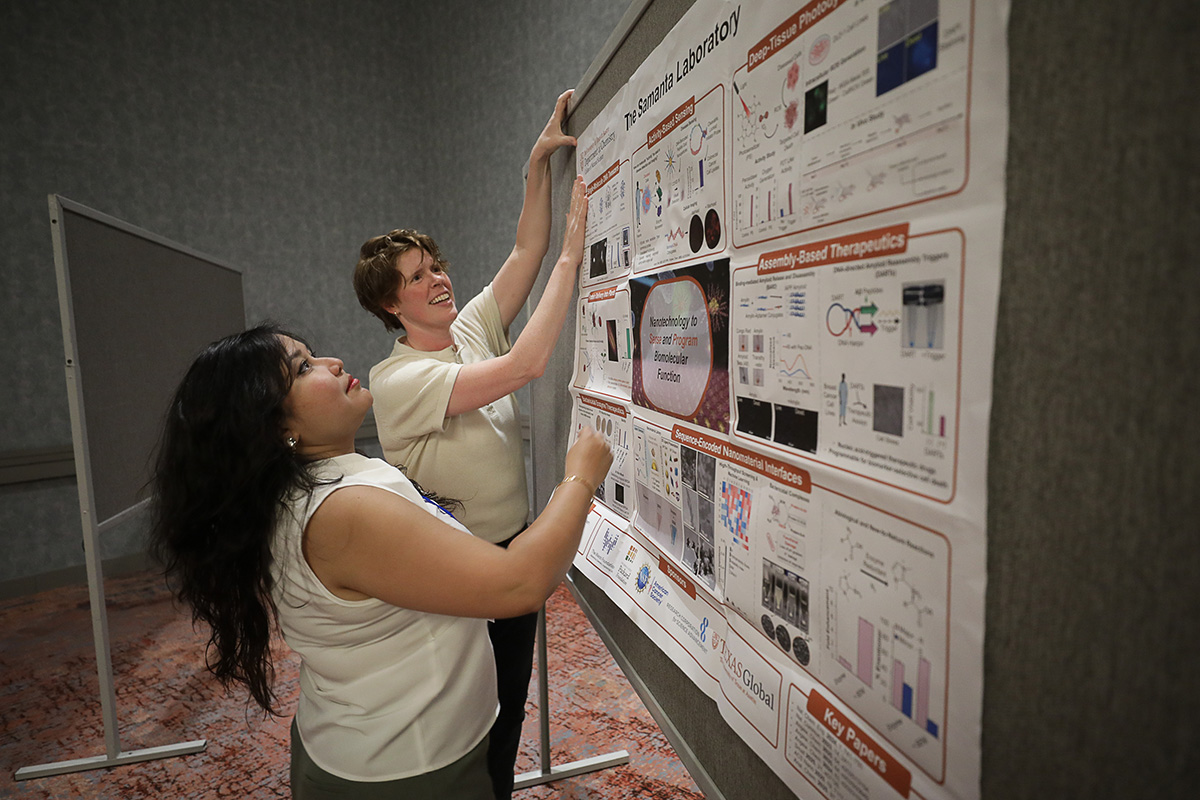
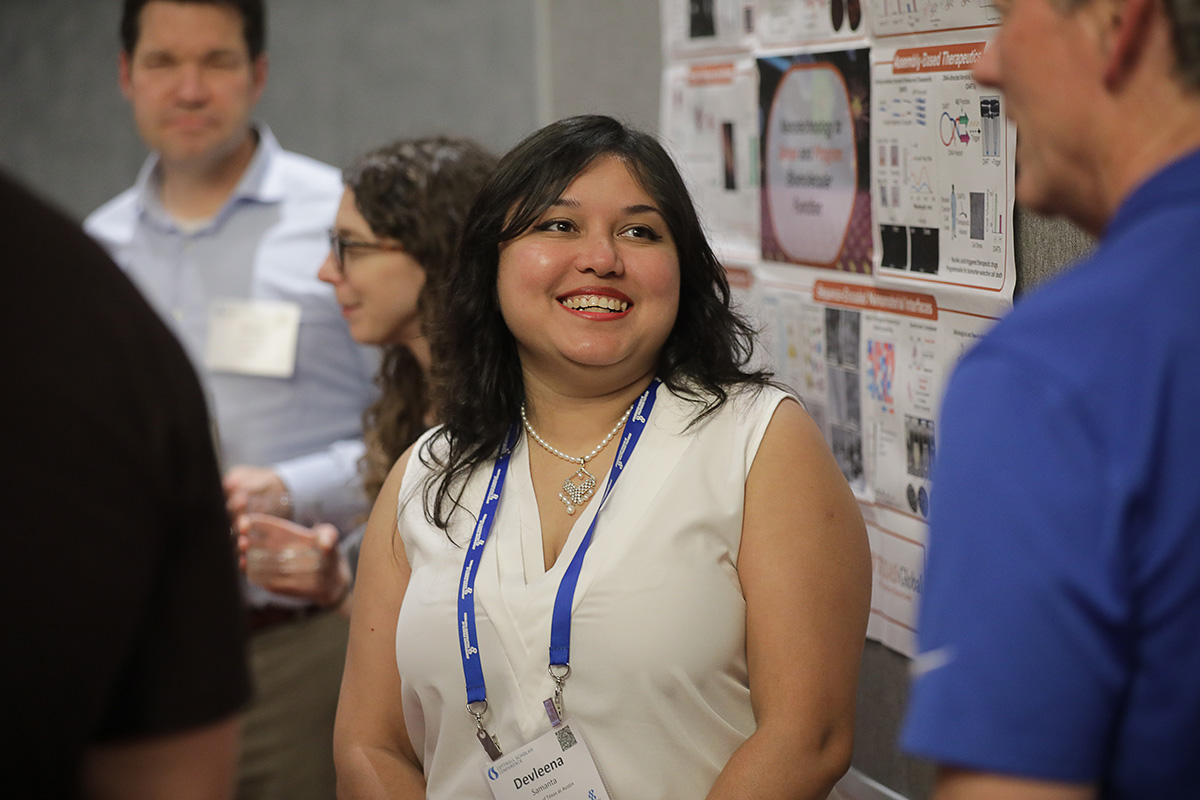
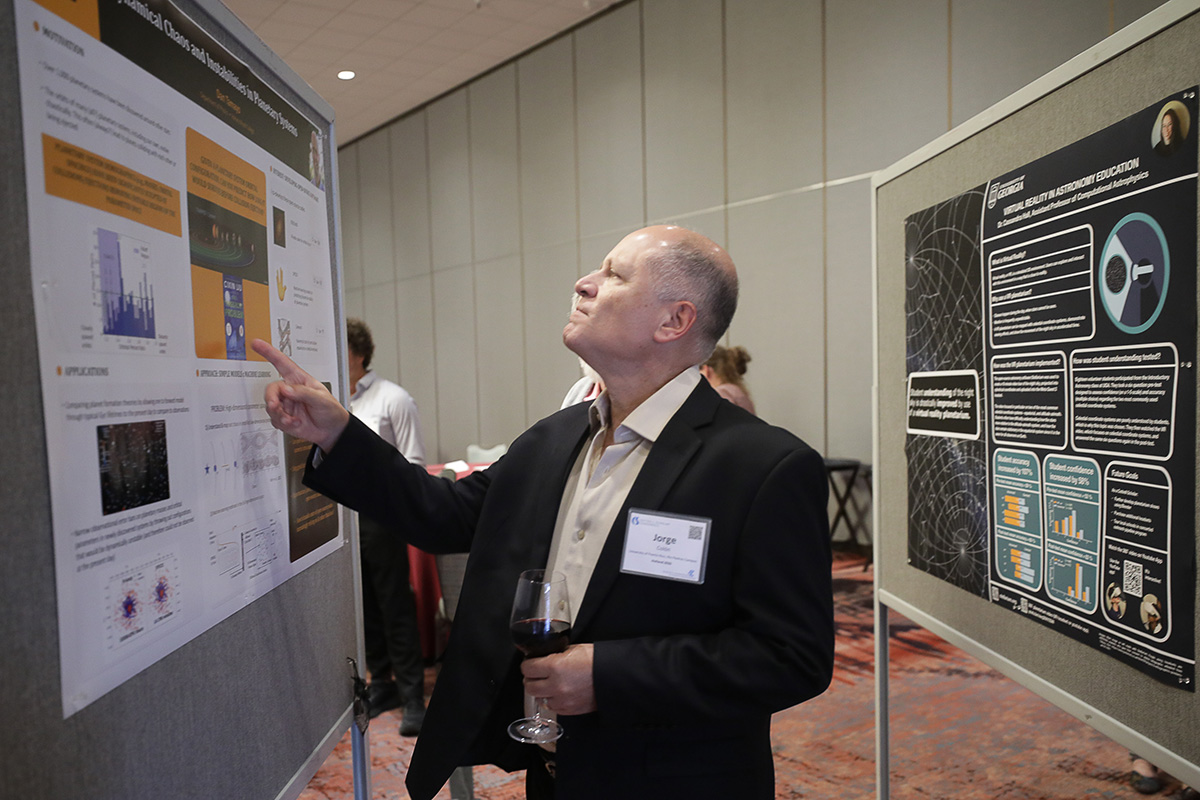
A highlight of the conference was welcoming this year’s incoming class of Cottrell Scholars, celebrated Thursday evening at a reception and poster session. The 2026 cohort includes:
Ilsa Cooke, University of British Columbia
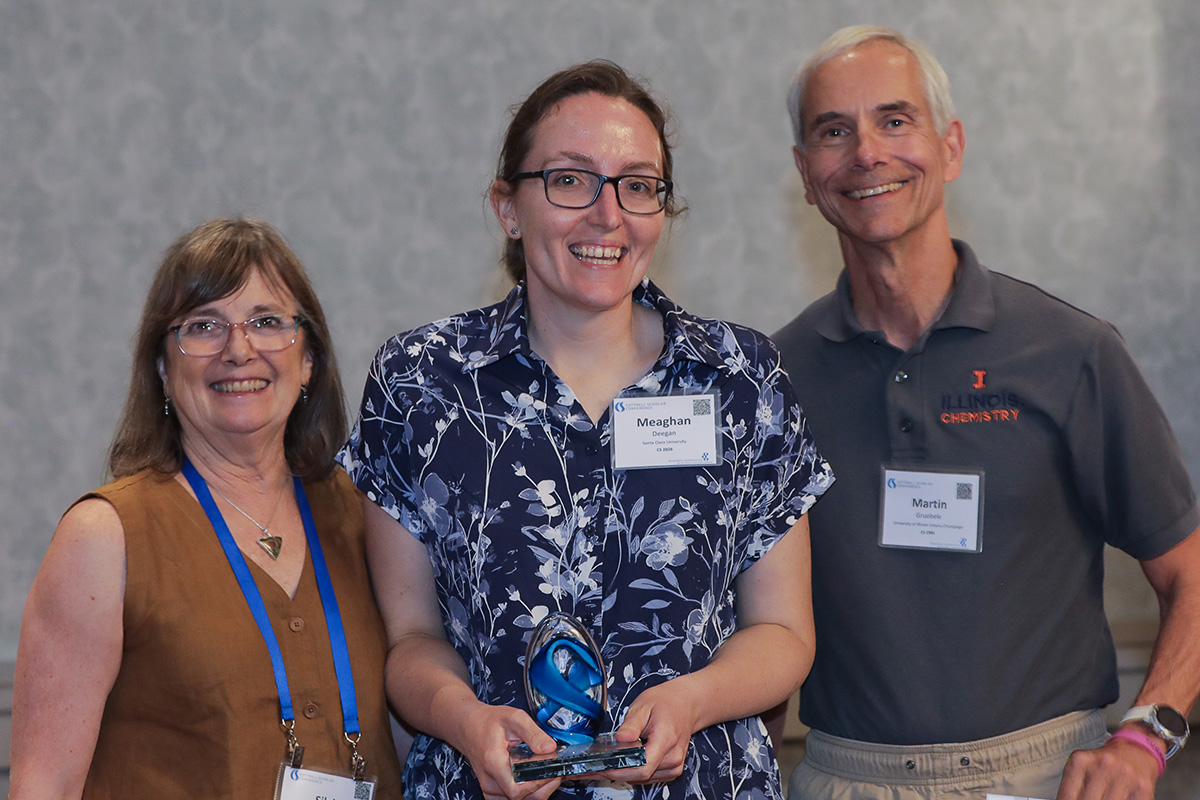
Meaghan Deegan, Santa Clara University
William Gilpin, University of Texas at Austin
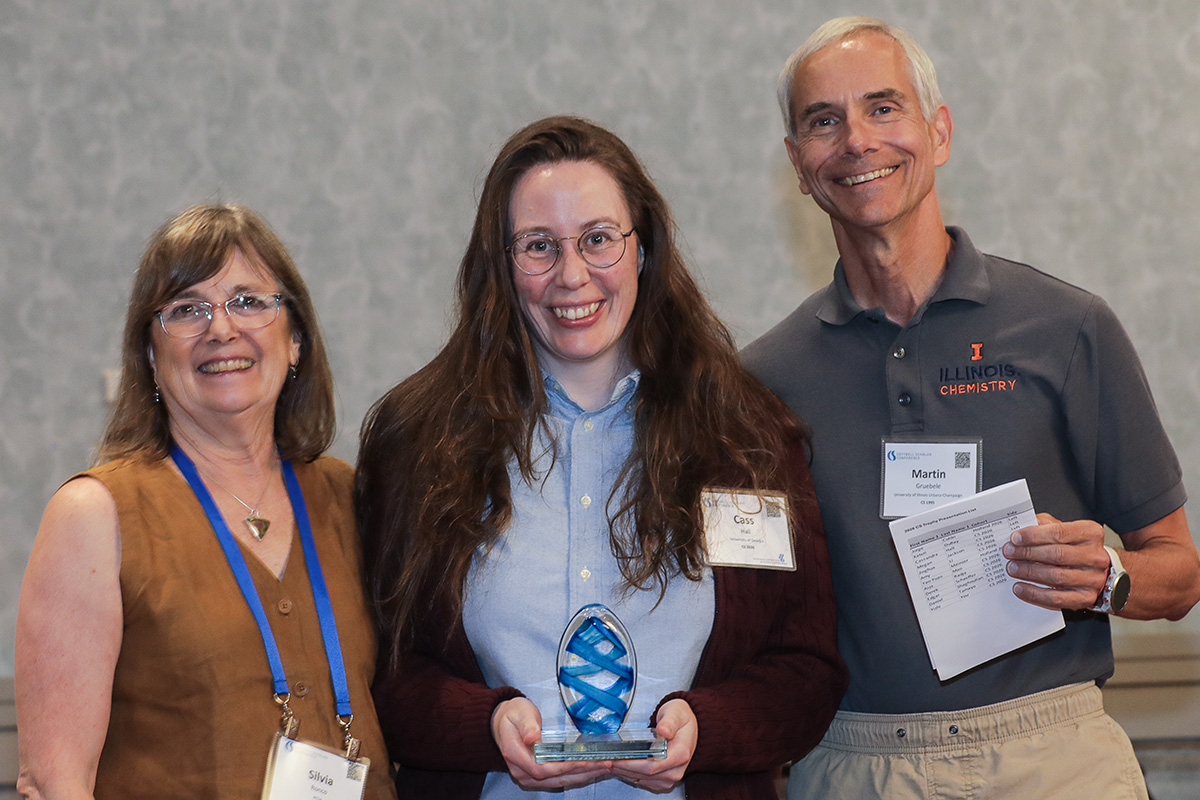
Cassandra Hall, University of Georgia
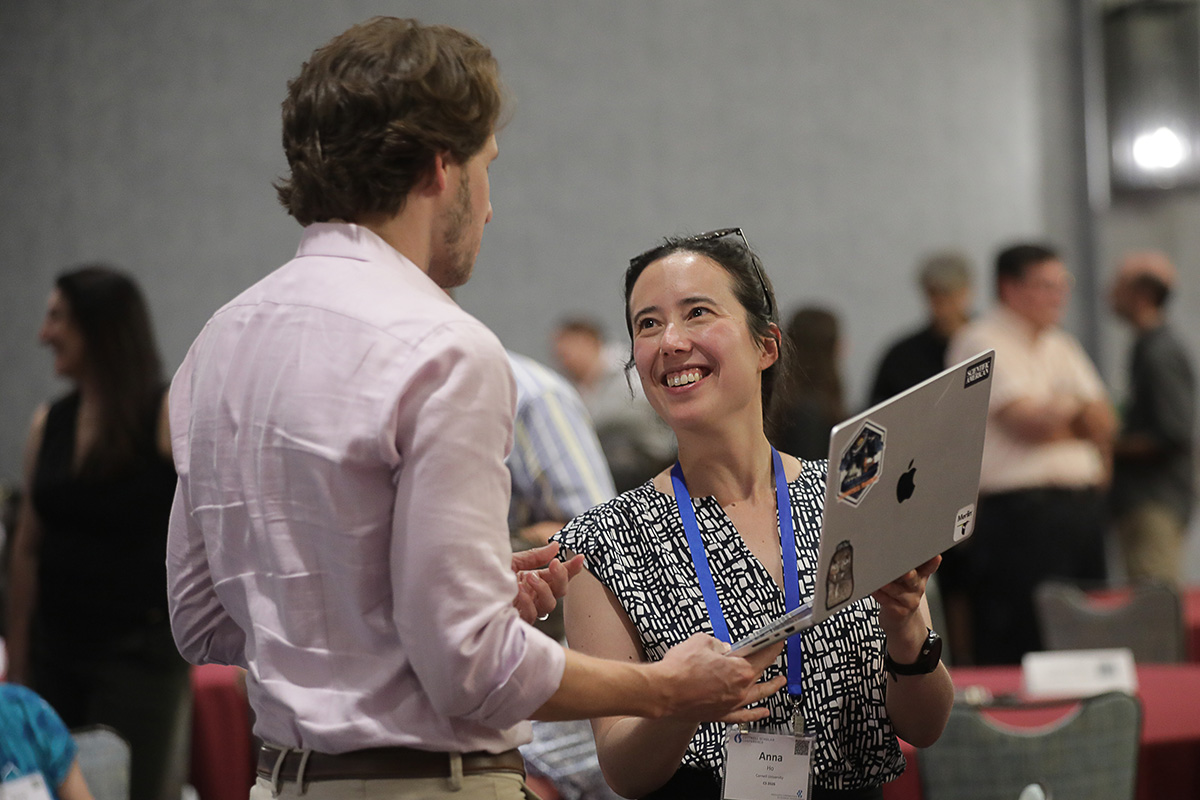
Anna Ho, Cornell University
Megan Jackson, University of North Carolina at Chapel Hill
Na Hyun Jo, University of Michigan
Jinghua Li, Ohio State University
Zhou Lin, University of Massachusetts Amherst
Subhasish Mandal, West Virginia University
Yao-Yuan Mao, University of Utah
Arnold Mathijssen, University of Pennsylvania
Asja Radja, Bryn Mawr College
Devleena Samanta, University of Texas at Austin
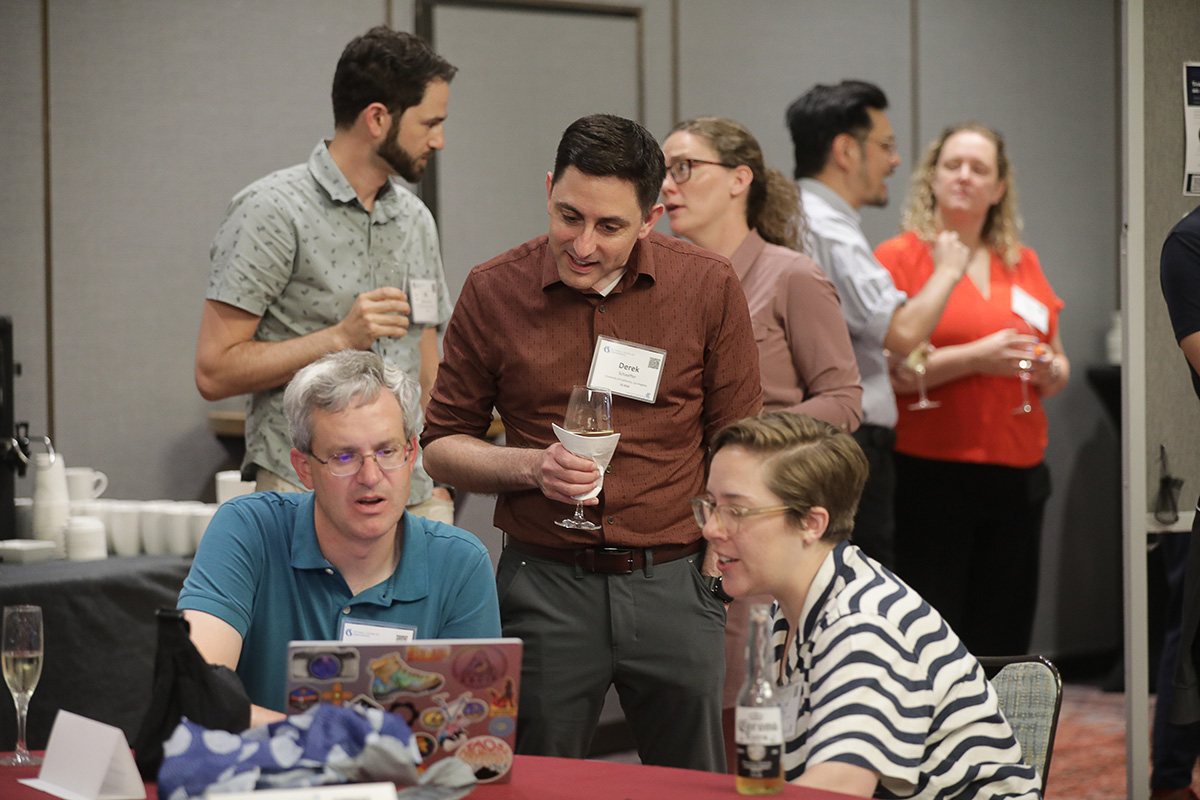
Derek Schaeffer, UCLA
Arnab Sengupta, Georgia College & State University
Edgar Shaghoulian, UC Santa Cruz
Olja Simoska, University of South Carolina
Daniel Tamayo, Harvey Mudd College
Jamie Tayar, University of Florida
Erin Teich, Wellesley College
Sarah Wellons, Wesleyan University
Yizhi You, Northeastern University
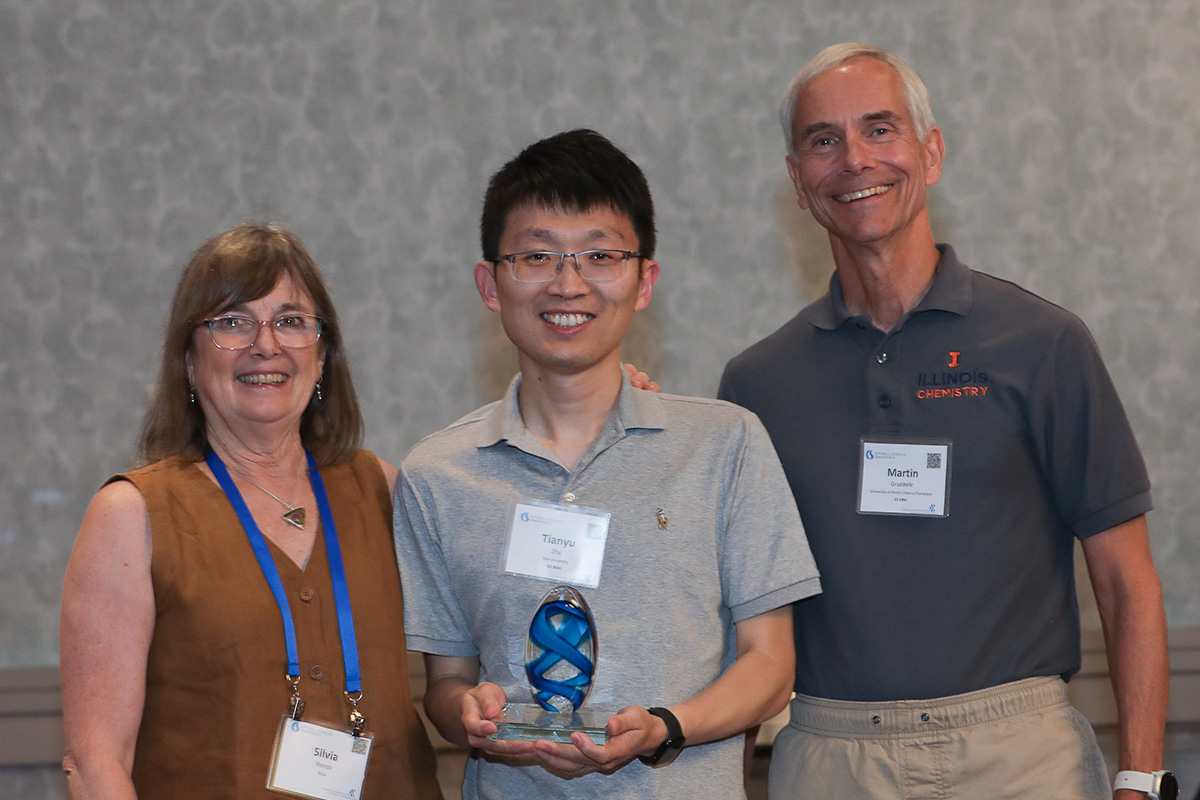
Tianyu Zhu, Yale University
Their research spans an enormous range of the physical sciences, from mapping sulfur chemistry in interstellar clouds to studying bacterial motion in fluid networks to developing machine learning tools for quantum materials. Each scholar’s award also supports an educational plan tailored to their institution, whether that means building new mentorship pipelines, redesigning core courses, or bringing computational and AI literacy into the undergraduate curriculum.
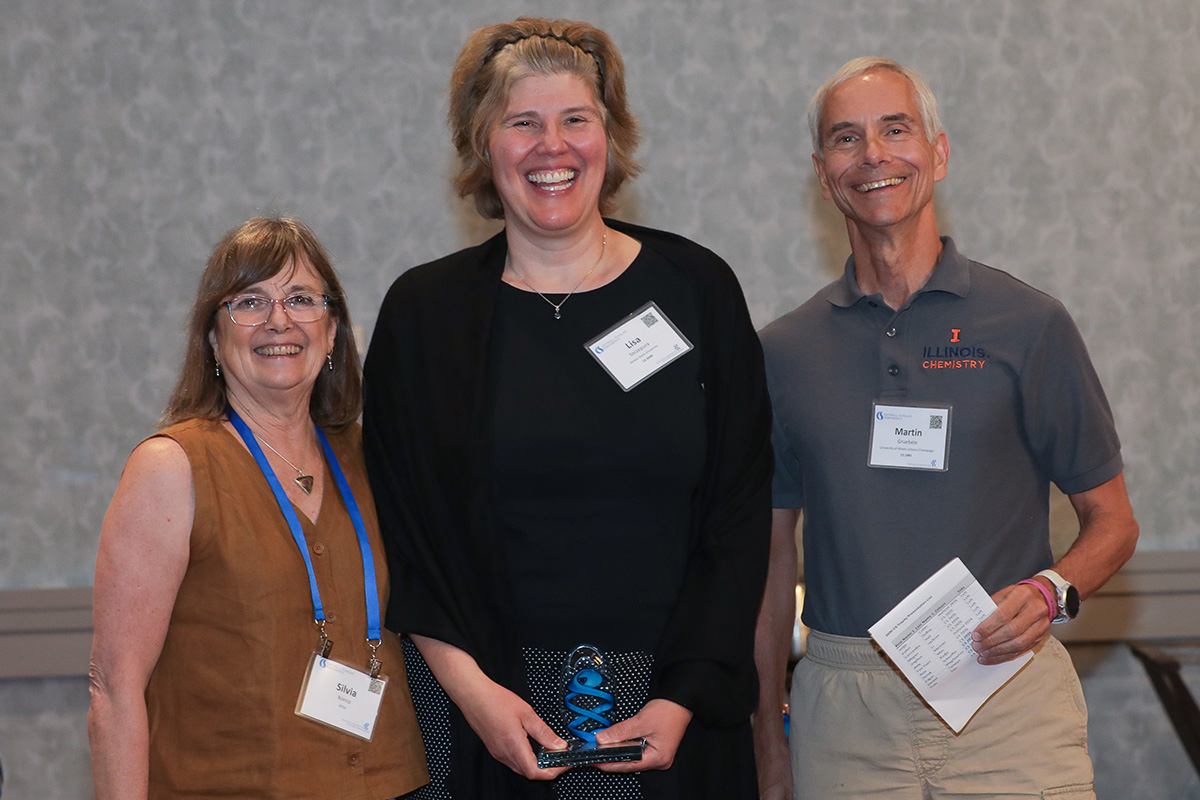
The new awardees were joined by Cottrell Scholars from prior cohorts, including conference co-chair Martin Gruebele, a 1995 Cottrell Scholar from the University of Illinois, Urbana-Champaign.
“A sense of connection has always been the heart of the Cottrell Scholars program, and this year was no different,” said Cottrell Scholars Program Director Silvia Ronco, who co-chaired the conference with Gruebele. “The relationships built in sessions, during meals, and in hallways between meetings are what makes this conference – and the Cottrell Scholars program – successful long after everyone has gone home.”
Keynote: Practical AI for Research, Teaching, and the Work In Between
Duncan Brown, Charles Brightman Professor of Physics and vice president for research at Syracuse University, delivered the conference keynote Thursday morning. Brown played a key role in the Laser Interferometer Gravitational-Wave Observatory discovery of gravitational waves and now leads Syracuse’s Cosmic Explorer research. He drew on his dual perspective as a working physicist and a research administrator to talk candidly about where large language models genuinely help and where they fall short.
Effective prompt engineering, Brown said, is fundamentally a metacognitive skill that requires knowing what you already know, what you still need, and how to judge whether an answer is any good.
Brown argued that the real novelty isn’t AI itself, since physicists, chemists, and astronomers have relied on machine learning for decades. What has changed is the arrival of general-purpose assistants capable of touching nearly every part of scientific work, from literature review and data analysis to grant writing and administration. He emphasized that transparency about AI use is essential to scientific integrity.
This meeting was one of the best scientific meetings I’ve been to in terms of building community, learning to use modern and emerging tools, strengthening leadership skills, and offering inspiration to keep improving teaching and research. I loved it.
Cottrell Scholar
Workshop: Teaching and Research with AI
Lorena Barba, professor of mechanical and aerospace engineering and director of George Washington University’s Engineering AI Academy, led the conference’s signature workshop across two sessions Thursday. Barba, a longtime advocate for open science and reproducible research, guided scholars through a framework that moved from diagnosis to agency: understanding what AI can do, how it is disrupting teaching and assessment, and what faculty can do in response.
Participants worked hands-on with Claude.ai in several roles, including editorial collaborator, student stand-in, research assistant, and brainstorming partner. The goal was to build practical fluency rather than abstract familiarity.
Barba closed with a provocation that resonated throughout the rest of the conference: faculty development is the foundation everything else depends on, and Cottrell Scholars are especially well positioned to lead it on their own campuses.
Honoring the 2026 Award Recipients
The conference also recognized scholars whose research, mentorship, and leadership have distinguished them within the Cottrell Scholar community.
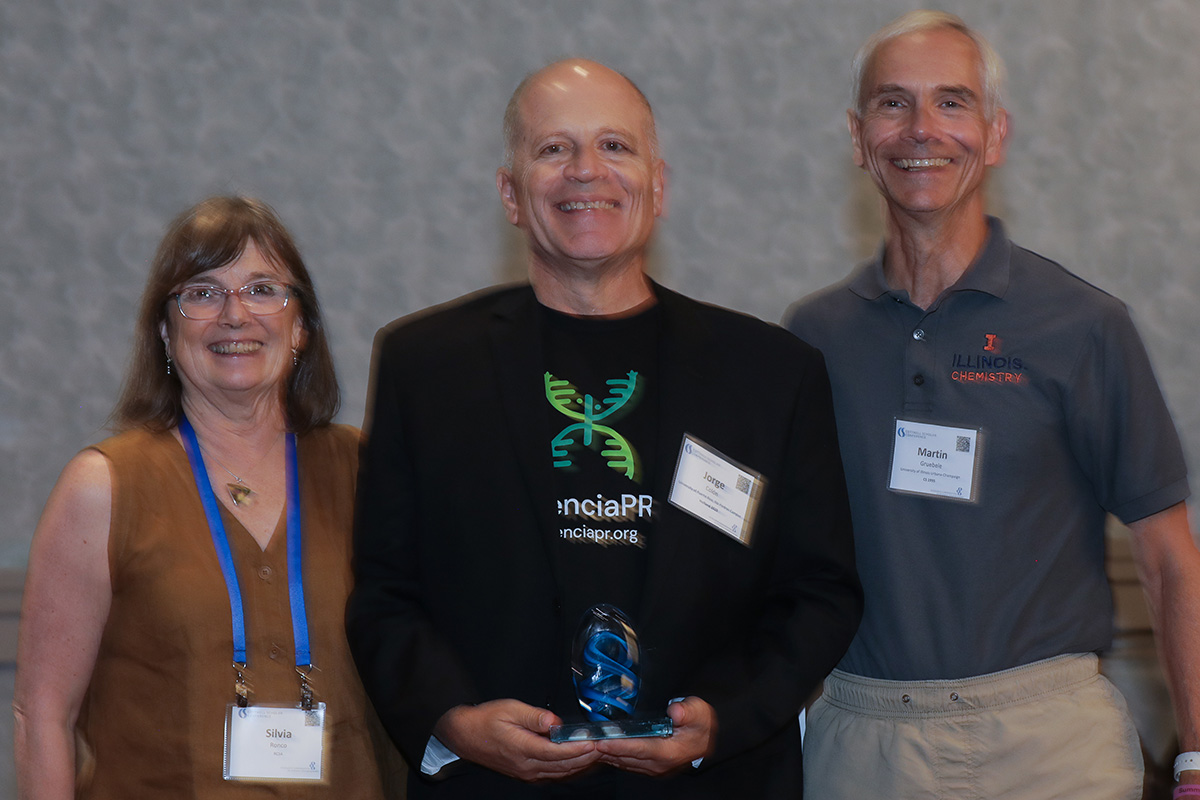
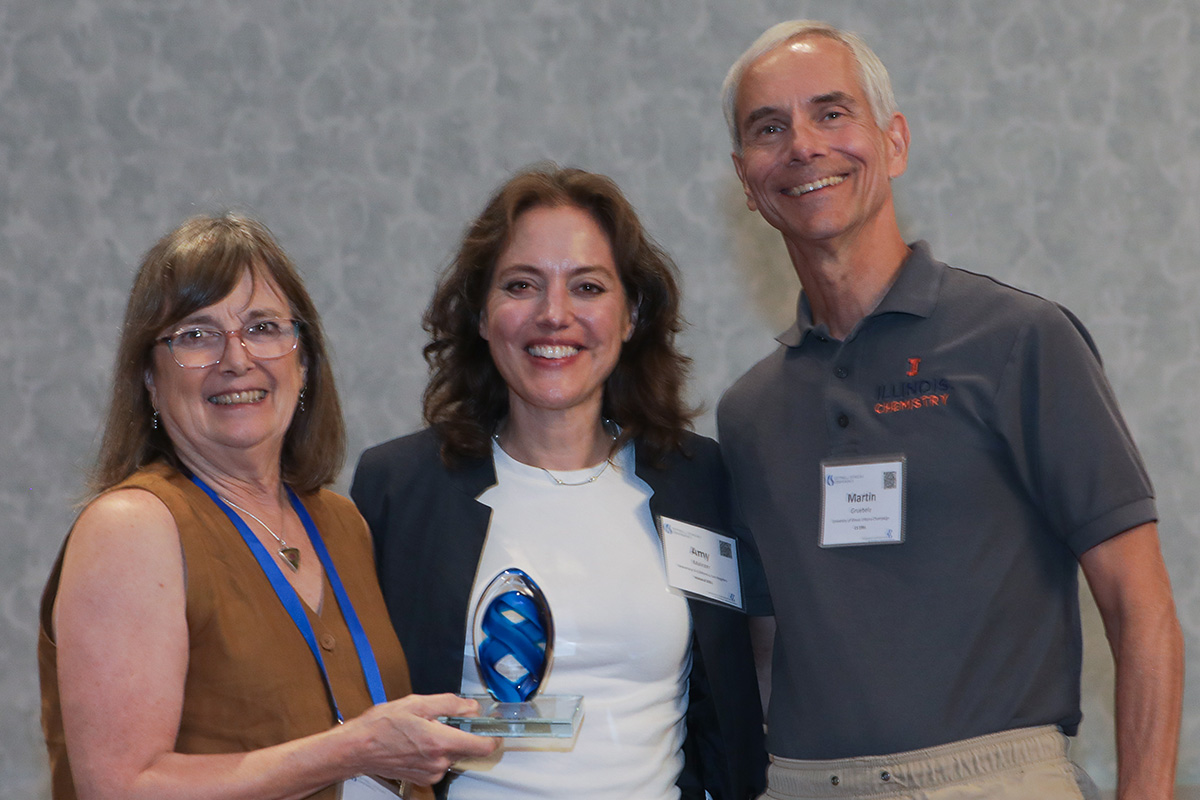
The 2026 Holland Award, now in its fourth year, went to three senior researchers whose experience enriches the broader community. Jorge Colón of the University of Puerto Rico, Río Piedras was recognized for pairing pioneering research in inorganic nanomaterials with mentorship that has trained hundreds of students and built lasting research pipelines across Puerto Rico. Amy Mainzer of the University of California, Los Angeles, who directs NASA’s NEO Surveyor mission and previously led NEOWISE, was honored for combining planetary defense research with public science communication that has reached millions of children through PBS Kids’ “Ready Jet Go!” Davita Watkins of The Ohio State University was recognized for her work in organic and polymer materials alongside mentorship programs, including Operation ICB, that have opened doors for rural and minority high school students in STEM.
Sara Skrabalak of Indiana University Bloomington received the 2026 STAR Award for her boundary-pushing materials research and her track record of scaling effective mentoring practices across her institution and beyond.
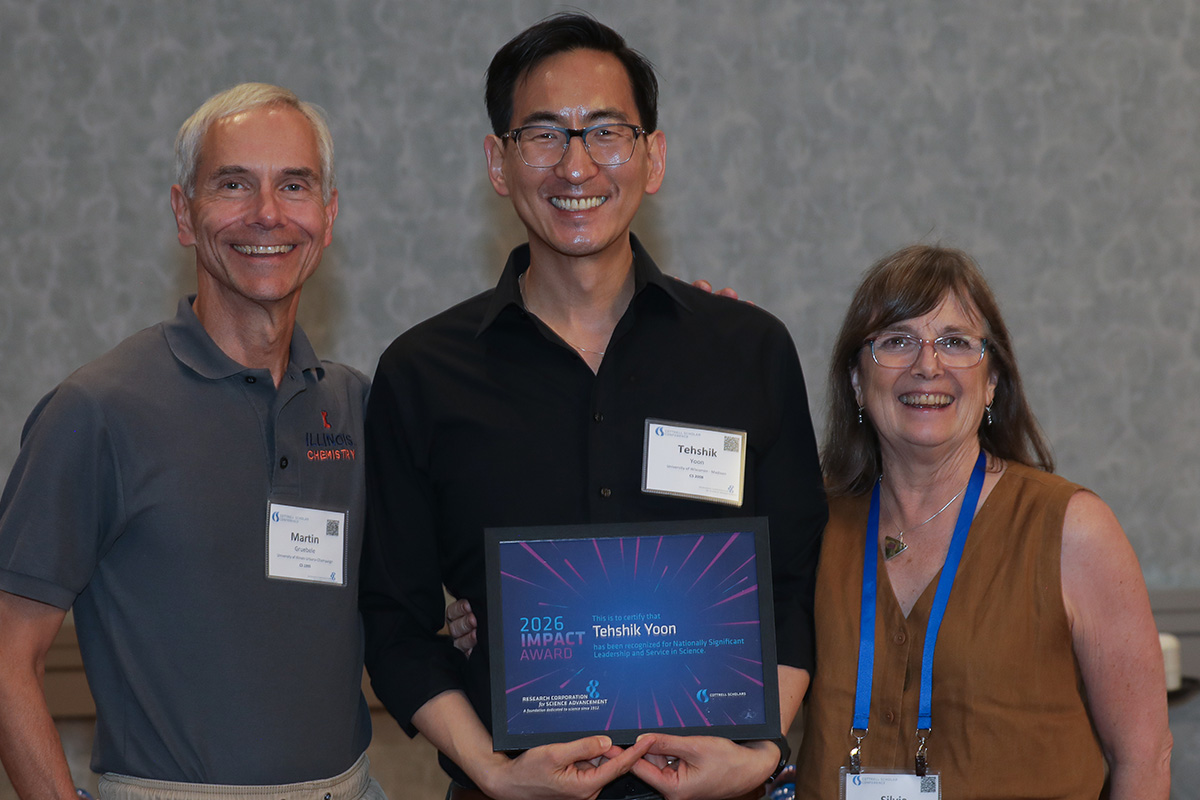
The 2026 IMPACT Awards went to Jennifer Prescher of the University of California, Irvine, recognized for chemical biology research that has enabled new ways to image molecular processes in living systems, and Tehshik Yoon of the University of Wisconsin, Madison, honored for his contributions to photoredox catalysis and his sustained advocacy for LGBTQ+ inclusion in science.
Thank you for another great meeting! This is always my favorite conference to attend.
Cottrell Scholar
Looking Ahead
The conference closed Friday with an open discussion on AI in STEM and breakout sessions where scholars began forming teams for the Cottrell Scholars Collaborative, RCSA’s program supporting joint projects among Cottrell Scholars, Fulbright-Cottrell Scholars, and Holland Award recipients. Up to three teams will receive $25,000 over two years to pursue projects that expand the impact of science education. As the theme of this year’s conference made clear, AI is reshaping both the research and the classroom in ways the Cottrell Scholar community is uniquely positioned to help navigate — thoughtfully, rigorously, and together.