
RCSA News


Explore RCSA
Cottrell Scholars
The Cottrell Scholar program develops outstanding teacher-scholars who are recognized by their scientific communities for the quality and innovation of their research and educational programs and their academic leadership skills.
scialog®
Scialog seeks to accelerate the work of 21st-century transformational science through research, dialogue, and community.
RCSA Fellows
Increasing faculty diversity in the physical sciences through job search preparation and community building.
About RCSA
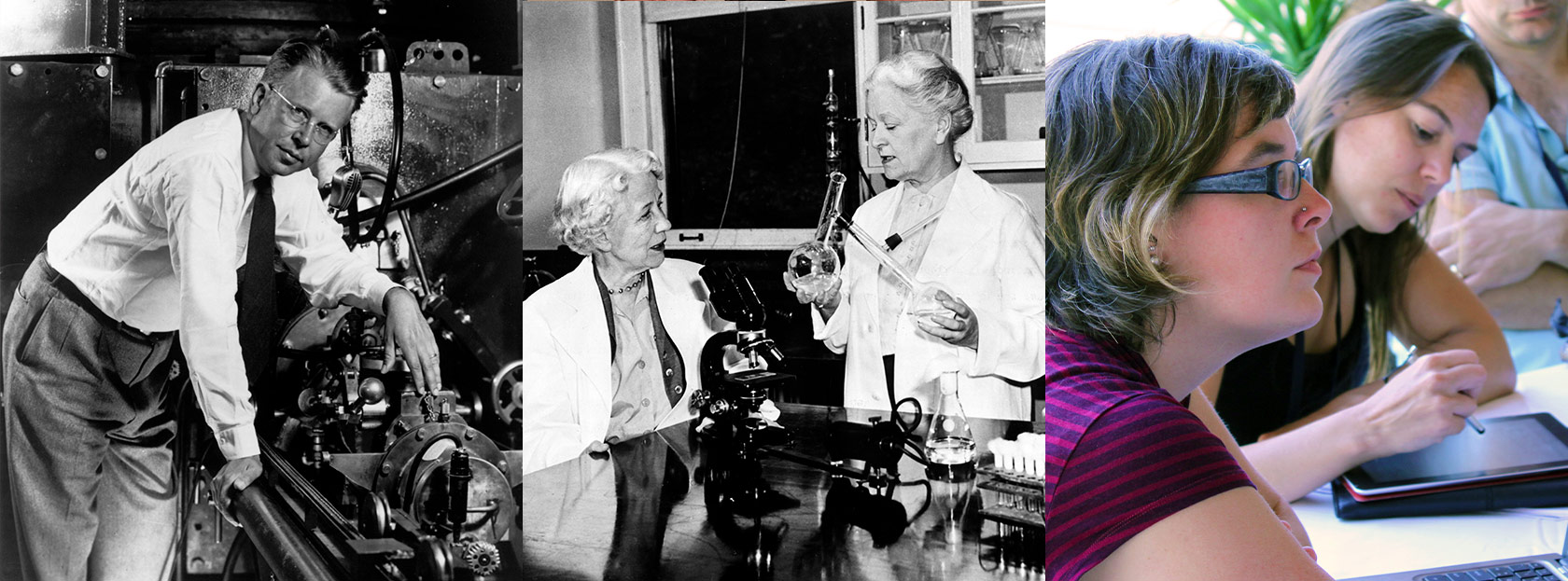
For more than 100 years, Research Corporation for Science Advancement has pioneered trends in science and education, funded scientific research, and helped scientists solve some of the great questions in the history of science.
Today, Research Corporation is wholly a philanthropy. Over the years, the Foundation has supported the work of over 18,000 scientists: 42 have received Nobel Prizes, and countless others have made discoveries and contributed to the body of science.